How Retaining Walls Help Control Water Flow and Prevent Erosion
Managing water runoff is essential for maintaining the health and stability of your property. When rainwater flows too quickly, it can cause soil erosion, leading to structural damage and landscape degradation. Retaining walls play a crucial role in controlling this water flow. By slowing down and redirecting excess water, these structures help protect your property. In this article, we’ll explore the various benefits of retaining walls in managing water runoff and how they contribute to landscape preservation.
Understanding Water Runoff
Water runoff occurs when rainwater or melted snow flows over the ground instead of being absorbed into the soil. This can be due to impermeable surfaces like roads and driveways or compacted soil that prevents absorption. Excessive runoff can lead to erosion, flooding, and pollution of waterways. To combat these issues, solutions like retaining walls are implemented.
The Importance of Retaining Walls
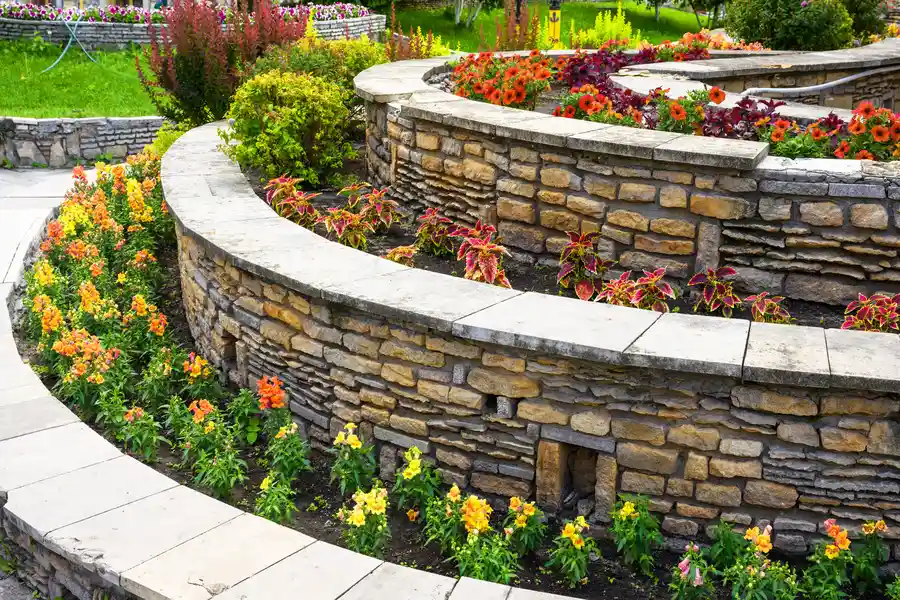
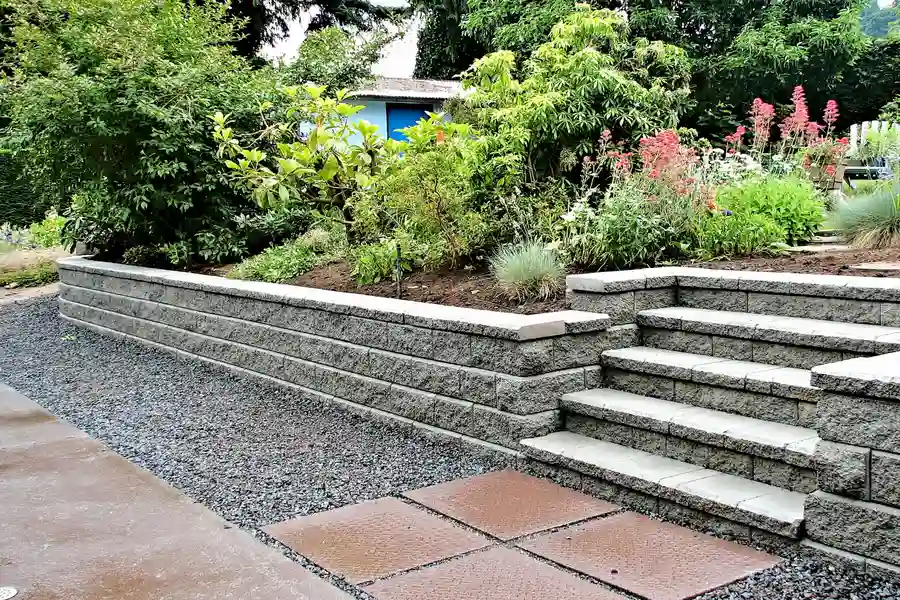
Retaining walls are essential in preventing soil erosion and managing water runoff. These structures support vertical or near-vertical grade changes by holding back soil. During heavy rainfall, retaining walls slow the flow of water, reducing the potential for erosion and damage to the landscape. They also provide valuable aesthetic benefits by adding structure and design to outdoor spaces.
Benefits of Installing Retaining Walls
The benefits of retaining walls extend beyond just controlling water. They offer numerous advantages for property owners:
- Erosion Control: Prevents soil from washing away during heavy rains.
- Flood Prevention: Redirects water flow to prevent pooling and floods.
- Landscape Design: Enhances visual appeal with defined areas and levels.
- Increased Property Value: Adds functionality and aesthetic value to the property.
Retaining Wall Installation Considerations
When planning a retaining wall installation, it’s important to consider factors such as material choice, wall height, and drainage needs. Materials like concrete blocks, stones, or wood can be used based on aesthetic preference and structural requirements. Ensuring proper drainage behind the wall is vital to prevent pressure buildup that could lead to failure.
Steps for Effective Retaining Wall Installation
Creating a stable and effective retaining wall involves several key steps:
- Site Assessment: Evaluate the area to determine necessary wall height and length.
- Material Selection: Choose appropriate materials based on aesthetics and durability.
- Foundation Preparation: Excavate the site and lay a solid foundation for stability.
- Wall Construction: Build the wall layer by layer, ensuring each block or stone is level.
- Drainage Installation: Add drainage pipes and gravel to manage water flow effectively.
Avoiding Common Mistakes in Wall Construction
Mistakes during construction can compromise the integrity of the retaining wall. Here are some common errors to avoid:
- Poor Planning: Skipping site assessment leads to inadequate design.
- Lack of Drainage: Failing to include drainage causes water pressure buildup.
- Improper Base Preparation: Neglecting a sturdy foundation results in instability.
- Inefficient Material Use: Using unsuitable materials affects longevity and appearance.
The Role of Professional Services
While DIY projects may seem tempting, professional services ensure long-lasting results. Experienced contractors bring expertise in material selection, engineering principles, and proper construction techniques. Their knowledge helps avoid costly mistakes while providing peace of mind through quality assurance.
Your Partner in Reliable Solutions
America's Gardening Services offers expert retaining wall installations tailored to your needs. Our team ensures high-quality construction standards, giving you confidence in your investment’s longevity. Based in Las Vegas, NV, we serve clients across the region with unparalleled service excellence. Call us today at (702) 773-1066 for professional assistance.