Exploring Various Methods to Optimize Water Use
Irrigation systems play a crucial role in agriculture and landscaping. They help in managing water resources efficiently, providing plants with the necessary moisture they need to grow. Understanding different types of irrigation systems is important for anyone involved in farming, gardening, or landscape management. This knowledge can lead to better crop yields and healthier gardens, while conserving water and reducing costs.
The Basics of Surface Irrigation
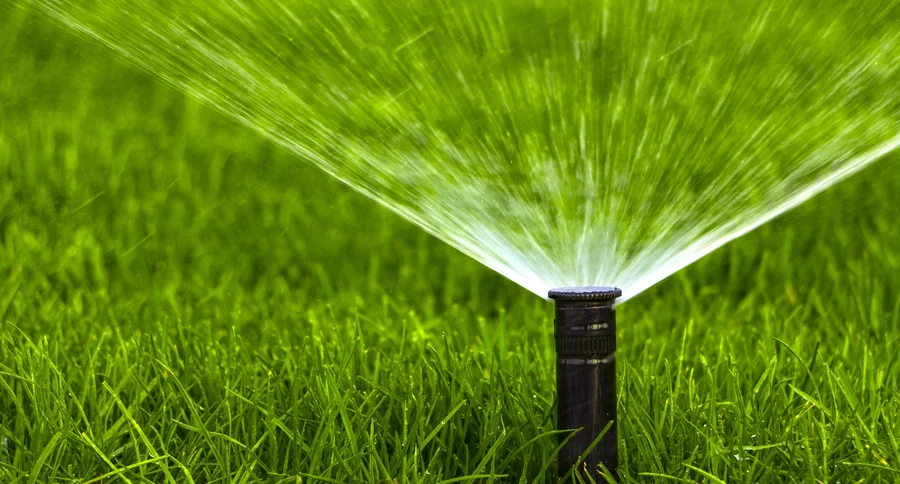
Surface irrigation is one of the oldest methods used to supply water. It involves distributing water over the soil surface by gravity flow. This method is simple and cost-effective, but it requires flat land and sufficient water supply. While surface irrigation might not be as precise as other methods, it remains popular due to its low setup costs.
Drip Irrigation: Efficient Water Use
Drip irrigation is ideal for conserving water and ensuring each plant receives the right amount of moisture. In this system, water drips slowly to the roots through tubes with small emitters. By targeting only the root zone, drip irrigation minimizes evaporation and runoff losses. It’s an effective solution for areas with limited water resources.
Sprinkler Systems for Uniform Coverage
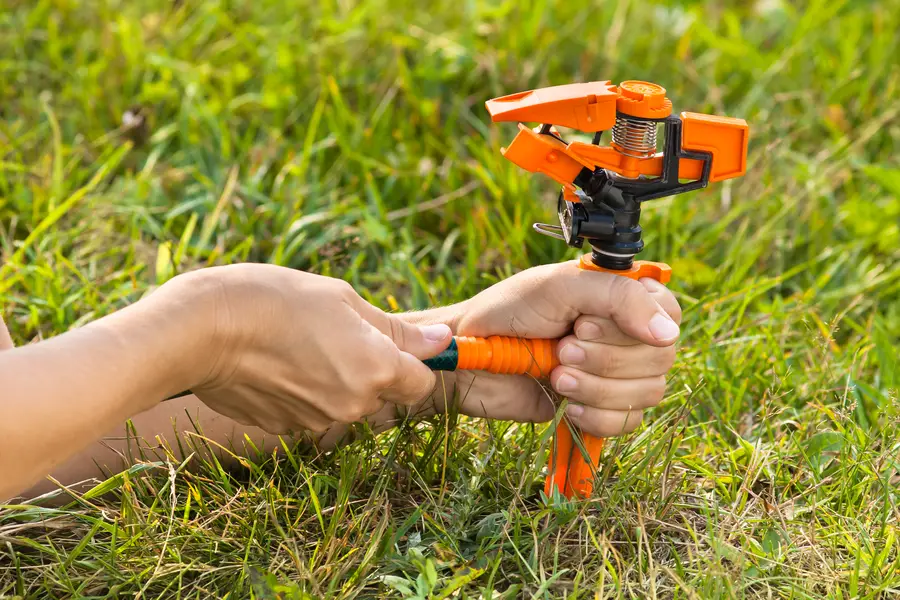
Sprinkler systems mimic natural rainfall by spraying water over the area. This type of irrigation service is suitable for large fields and lawns where uniform water distribution is essential. Sprinkler systems can be automated, allowing them to turn on and off at set times. This makes them convenient for users who want to manage their watering schedule efficiently.
Benefits of Using a Center Pivot System
Center pivot irrigation systems are commonly used in large agricultural fields. The system rotates around a pivot point, covering a circular area with water. This method offers efficient water use and can reduce labor costs significantly. Users benefit from its ability to cover large areas quickly and evenly.
The Role of Subsurface Irrigation
Subsurface irrigation involves applying water below the soil surface using a network of pipes or tubes. This method reduces evaporation losses and encourages deep root growth. It’s particularly useful in arid regions where water conservation is critical. Subsurface systems can be more expensive to install but provide long-term savings.
Choosing the Right System for Your Needs
Selecting the best irrigation service depends on several factors, including climate, soil type, and crop requirements. Each system has its advantages and potential drawbacks. For instance, while drip systems save water, they may require more maintenance than surface systems. Evaluating your specific needs will help determine the most suitable option.
Conclusion: Making an Informed Decision
Diverse irrigation systems cater to various environmental conditions and user demands. Knowing the strengths and limitations of each type helps make informed decisions, leading to enhanced productivity and sustainability. Explore these options further with expert guidance to optimize your water management practices.
Get Expert Assistance With Your Irrigation Needs
If you are looking to implement an efficient irrigation system, contact us at (702) 773-1066 for professional support. Our team based in Las Vegas, NV specializes in designing tailored solutions that meet your specific requirements. At America's Gardening Services, we are committed to helping you achieve optimal results while conserving valuable resources.